
William Holmes 1836-1895 and Esther Corey 1836-1919
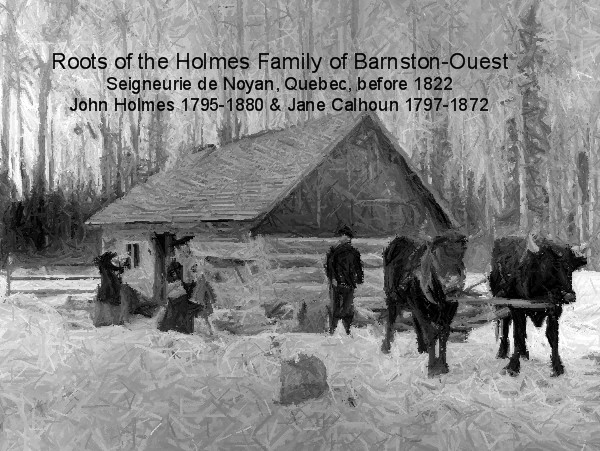
William Holmes, born on March 1, 1836, in Noyan (Sabrevois), Quebec, was the son of John Holmes and Jane Calhoun, a family of Irish origin rooted in the Eastern Townships. He was baptized later in childhood, on January 28, 1842, at the Anglican Church in Stanbridge, reflecting a pattern not uncommon in rural communities of the time.
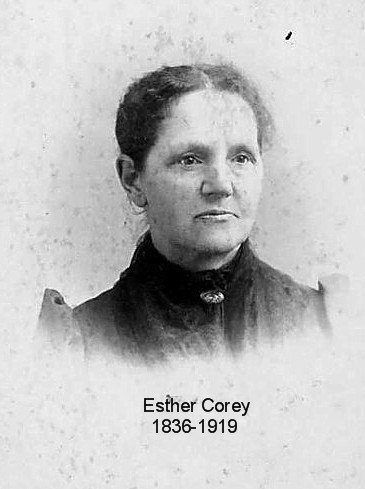
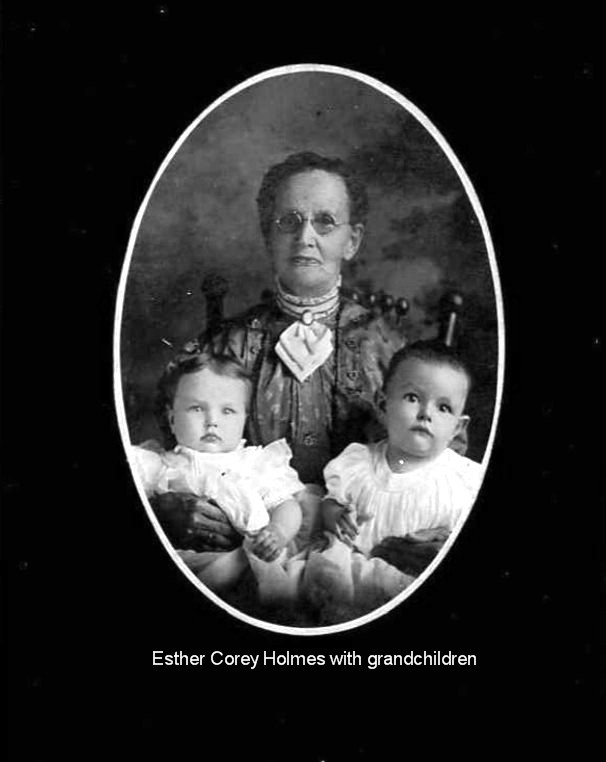
On October 30, 1856, William married Esther Victoria Corey at the Baptist Church in Frelighsburg. Esther, born May 21, 1836, in Stanbridge. The ceremony was performed by Elder Francis N. Jersey, and it marked the beginning of a long farming partnership that would anchor the Holmes family in the Stanbridge area for generations.
Corey family were loyalists
Esther Corey was the daughter of Martin Corey and Sophia Kelly. Martin Corey was born in 1815 to Caleb Corey and Mehitable Rockwell, an early settler couple who moved from Massachusetts and Rhode Island to Stanbridge, Quebec around 1804. Caleb and Mehitable raised a large family of twelve children and are buried at Stanbridge Ridge Cemetery.
Caleb Corey (1775–1843) was the son of Reuben Corey, an American Revolutionary War soldier, and Catherine Dinah Clarke, continuing a family line that migrated from New England into the Eastern Townships of Quebec in the early 19th century.
Following their marriage, William and Esther began their married life modestly. They first resided at Pike River for a year, then moved to Bolton for four years before settling permanently in Stanbridge Township. There, they established their farm on Lot 4, Concession 7 in Lower Bedford. This property became the center of their family life and agricultural work.
A Farmer’s life in the 1870s
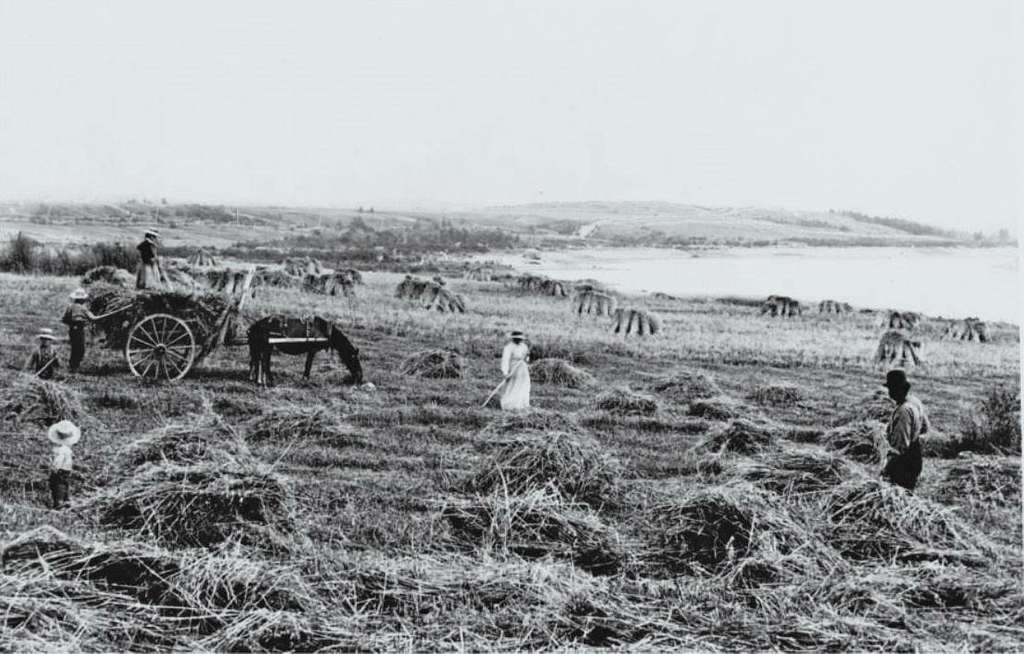
In the Eastern Townships of 1870s Quebec, a farmer’s day unfolded with the sun, blending grueling labour, family teamwork, and the land’s rhythms on mixed farms growing grains, roots, and dairy stock.
Dawn broke over frost-kissed fields in spring; the farmer yoked oxen to plow stubborn soil amid stumps, while his wife harrowed behind and children seeded oats, barley, peas, and potatoes. By summer’s warmth, they weeded rows of turnips and maize by hand, milked cows twice daily for butter and cheese, and scythed early hay, eyes on distant Montreal markets.
Fall harvest called all hands: sickles sliced golden wheat and oats, flails threshed grain on barn floors, and wagons creaked to Pike River mills for flour, as roots filled cellars and fences guarded against wandering livestock.
Winter’s snows turned focus inward – chopping wood with oxen, spinning wool from growing sheep flocks, repairing tools by lamplight, and trading potash from burned clearings for cash to endure the cold.
The 1871 census provides a snapshot of the Holmes household and community. William, then 35, was listed as a farmer of Irish origin and a Wesleyan Methodist. Living with him were his aging parents, John and Jane Holmes, and at times his sisters, Eliza and Roseann. The surrounding neighborhood reflected the diverse cultural fabric of the Eastern Townships, with Irish, French, and German families living in close proximity, each contributing to the rural economy.
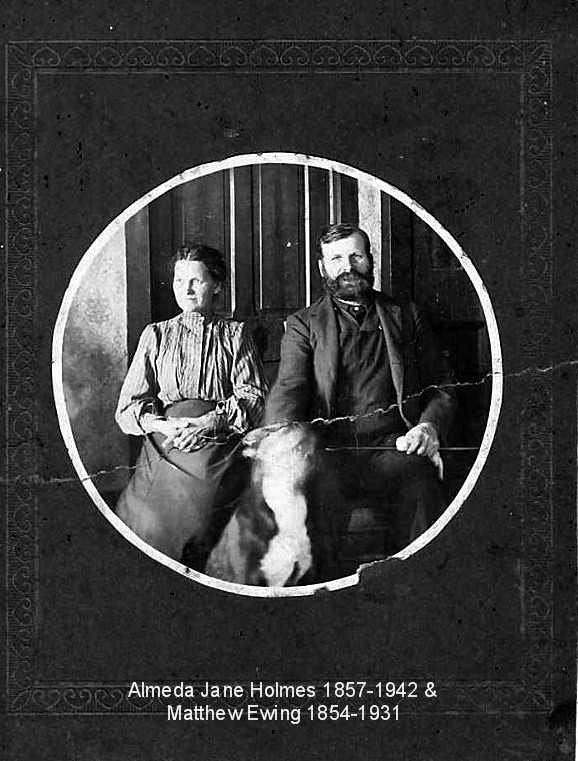
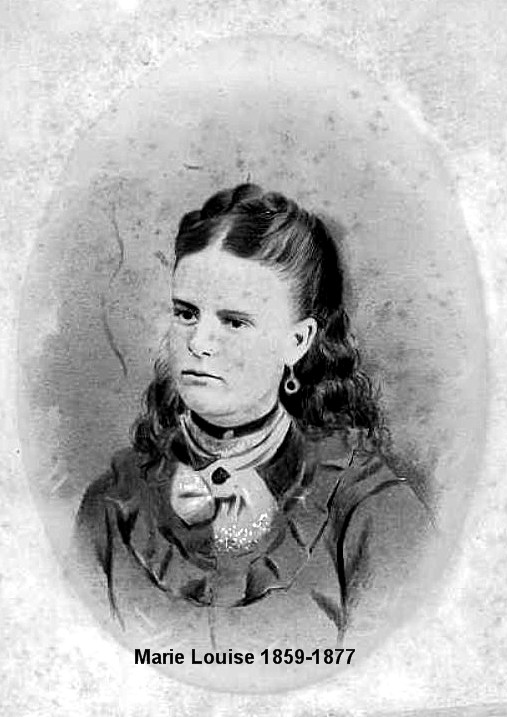
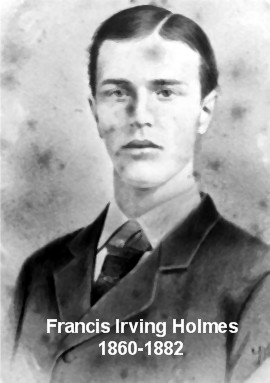
William and Esther raised a large family, though like many families of the 19th century, they experienced both growth and loss. Their eldest daughter, Almeda Jane, born in 1857, went on to marry Matthew Henry Ewing and raised a large family of her own in the Stanbridge area. But several of their children, including Marie Louise, Francis Irving, Esther Sophia, and Denton I., died young, reflecting the harsh realities of the time. Tragedy touched the family again with the deaths of twin sons Clayton Vincent and Clinton Vernon in childhood, both succumbing to tuberculosis.
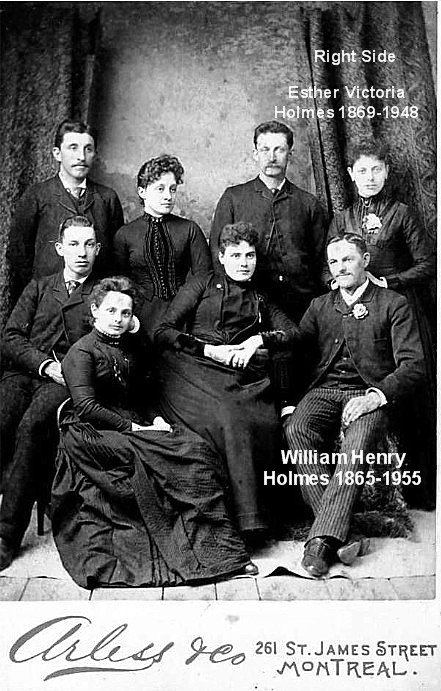
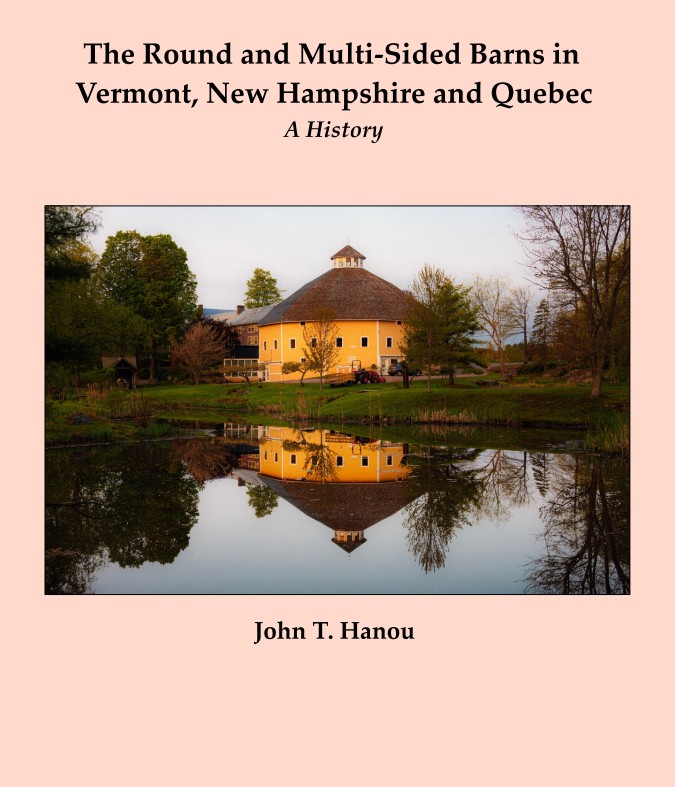
Their son William Henry Holmes, born in 1865, carried on the farming tradition. He later moved to Barnston Township after purchasing a farm in 1897 and built the Round Barn in 1907. He eventually retired in Stanstead, where he lived until his death in 1955.
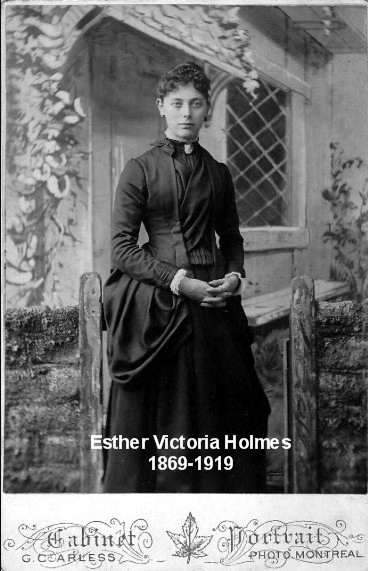
Another daughter, Esther Victoria Holmes, remained closely tied to the family homestead after her marriage to Samuel Brown Ewing, raising a large family on the original Holmes property.
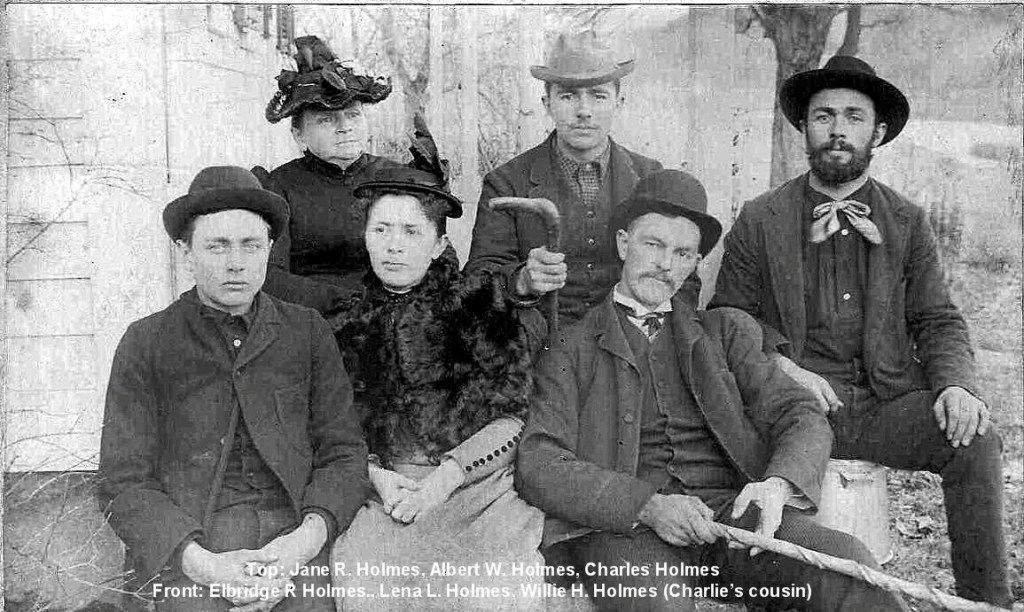
The youngest daughter, Ethel Cora Holmes, born in 1878, eventually moved farther afield, marrying Charles William Holmes and later residing in Boston, Massachusetts, where she died in 1968. Her life reflects the gradual outward migration of younger generations from rural Quebec to urban centers.
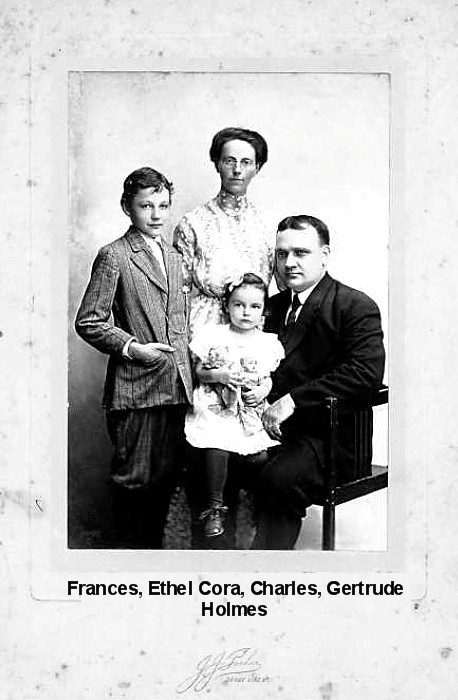
William Holmes died on April 5, 1895, in Stanbridge, leaving behind a well-established farm and a large extended family deeply rooted in the region. Esther survived him by many years, passing away in 1919. Together, their lives illustrate the pattern of settlement, endurance, and community-building that defined the Eastern Townships in the 19th century. Their descendants continued to shape the agricultural and social landscape of the area well into the 20th century.


Leave a Reply